
Happy Clients
What Our Clients are Saying
Planning Your Native Garden Design with the Future in Mind
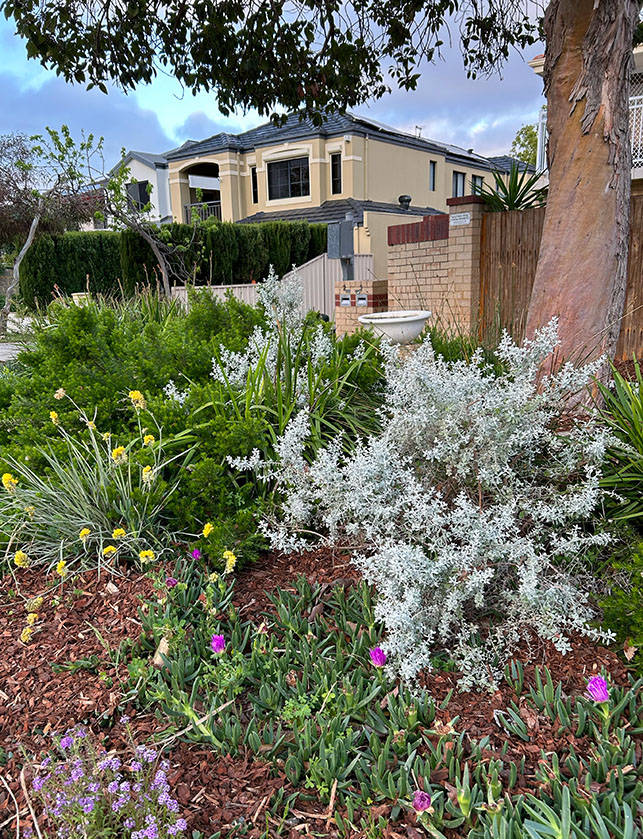
Visualising the mature garden is essential before planting.
When designing a native garden in Perth, it is essential to plan with the future in mind. Thoughtful planning ensures your garden not only thrives today but continues to flourish for years to come.
This foresight includes considering how plants will mature, how their root zones will expand, and how they will interact with the surrounding soil. Proper preparation of the soil is critical, as native plants rely on well-draining, nutrient-appropriate soil to establish strong root systems that support long-term health.
In the landscaping industry, a successful native garden design balances aesthetics with sustainability. This means selecting plants that suit your specific soil type and climate, and anticipating their growth to avoid overcrowding or maintenance issues later.
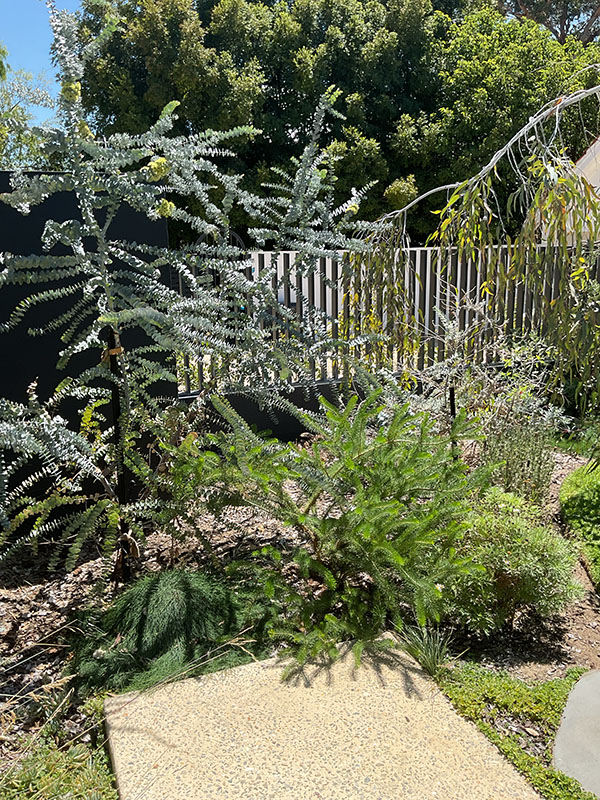
Layering plant heights can mimic natural bushland and enhance visual appeal. This approach not only adds depth and interest but also supports biodiversity by providing varied habitats for local wildlife.
Planning ahead also allows for efficient irrigation zoning and water management, reducing the need for extra water and minimising resource waste. Incorporating native plants that are adapted to Perth’s unique soils and climate not only supports biodiversity but also aligns with best practices in the landscaping industry for sustainable garden design.
Our Native Garden Design Process
In our native garden design Perth services, we offer:

Why Plant With Australian Natives?
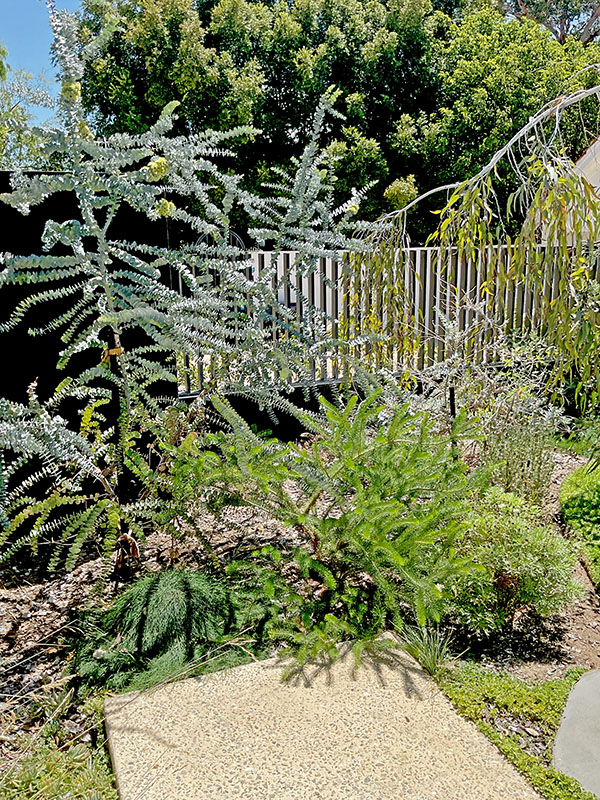
Picture yourself, cuppa in one hand, looking out over your garden, with sweet-smelling aromas and the sounds of happy birds. You’ve created a safe haven for our native critters, and an oasis for you to unwind and enjoy.
At West Earth Landscaping, our absolute favourite Perth landscaping projects are native gardens, and here is why.
Native Garden Perth: A Sustainable Choice for Western Australia
Perth experiences a Mediterranean climate with hot, dry summers and cool, wet winters. Choosing native plants suited to these conditions helps create a garden that works with our climate.
There are so many benefits to planting native gardens. They are by far the most sustainable garden design choice, helping to benefit the local ecosystem and reduce watering needs.
By choosing a native landscape design, you rebuild your soil ecology and allow native fauna including birds, insects, reptiles and frogs to thrive in Perth suburbia. Even if you only have a small space to create a native garden, you can still attract lots of beautiful wildlife.
The native fauna can also balance the ecology of your garden. Native plants often resist local pests and diseases, reducing pesticide use. This is particularly helpful if you have a veggie garden.
Lower Cost
An Australian native garden is the best choice for your wallet. Natives not only provide a waterwise garden, cutting down your water bills, but they also elevate outdoor spaces at a lower cost compared to exotic plants.
We source local plants from specialist native nurseries such as APACE at affordable prices. Native gardens also require less maintenance once established, which can save you money in the long term.
Coastal Native Gardens
If you live in a coastal suburb of Perth like City Beach, we opt for coastal natives that are hardy enough to withstand the salty strong winds and sandy soil. There are many species that thrive along Perth’s coast without soil amendment, including:

Native Cottage Gardens
Many people love cottage gardens, but they don’t fare well in the harsh Australian climate. With introduced high-quality soil and more frequent watering and higher nutrient additions, it is possible to achieve, but at a bigger cost in the long run.
With water restrictions of twice a week and increasingly hotter and drier summers, it will be harder for these exotic cottage gardens to survive in Perth.
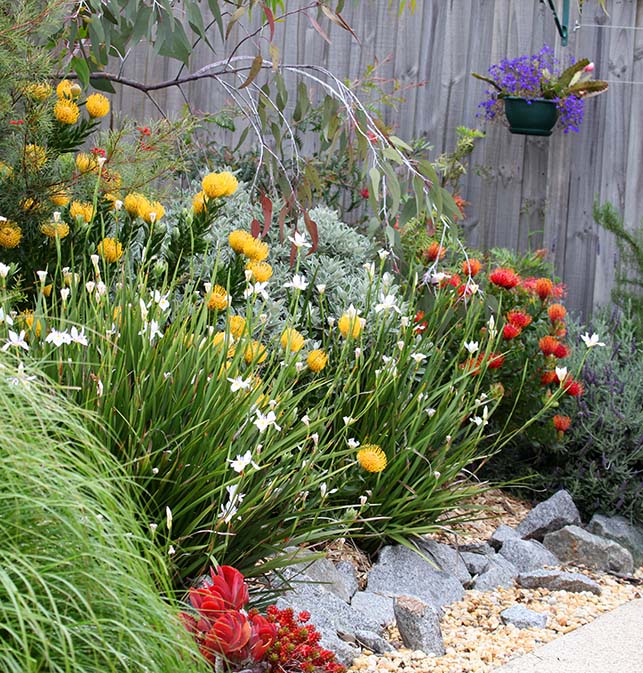
The good news is there are many Australian native species that can create a beautiful cottage garden aesthetic. Many native plants have beautiful flowers that provide colour, beautiful aromas and a whimsical aesthetic all year round.
Our favourite natives to achieve a cottage native garden are:
Edible Native Gardens
When people imagine an edible food garden, they usually think of orange and pomegranate trees, but did you know we have a large range of Australian native edibles?
There are many edible plants endemic to the Perth region as well as edibles from other parts of Australia that thrive in the Perth climate.
We love to incorporate:


Native Hedging & Topiary
When it comes to native hedging, we are spoilt for choice in Perth. Hedging is important in most garden designs, they can be used to create different sections within the garden, provide privacy screening and shield your garden from outside noise.
Just like exotic hedging plants, regular trimming will encourage dense foliage that can be shaped into hedges or topiary shapes like spheres.
Our favourite native hedging & topiary plants are:
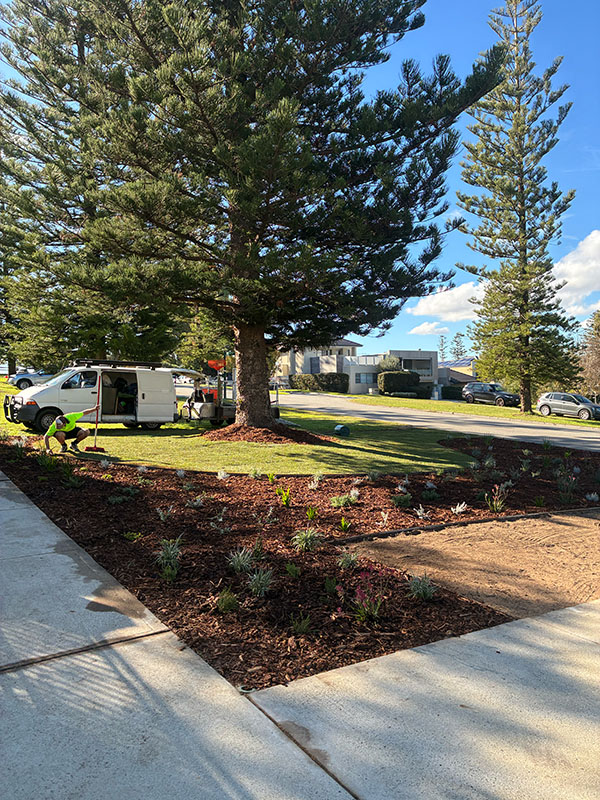
Verge Native Gardens
Many Perth verges are covered in couch grass that browns in the summer and returns to mediocre green in the winter. To keep a lawn verge looking vibrant and healthy all year round it requires a lot of lawn care including reticulation, regular mowing and edging and fertilising.
Native verge landscape designs are much lower maintenance once established and require less water and nutrient additives.
If you haven’t got a lot of front or backyard area to transform into a native garden, beautifying your verge can be a great option.
When planting native verges, we take care to consider your local council guidelines to ensure your verge garden is compliant. Many councils have specific rules on the types of plants you can choose.
Our favourite verge plants are a mix of dwarf trees, native shrubs, grasses and ground-covers including:


Our Philosophy
The more diverse the native plants, the more biodiversity you create. Different fauna have different requirements, small birds need spiky shrubs they can hide in from larger preying birds and some insects require specific shaped flower petals in order to pollinate.
We take care to choose a mixture of native plants that flower at different times of the year so that your garden is always full of colour. We take into consideration choosing plants and trees that are the right size and correct shade tolerance for your space.
We advocate for native plants that are endemic to the Perth region and go even further to select natives that suit your specific suburb’s soil and climate. Sometimes natives that are not endemic to your zone can be incorporated, but these are likely to require additional nutrient and watering needs so that they thrive.
There is a lot of expert knowledge that goes into creating a native garden design that has the future in mind.
What We Do
In our native garden design Perth services, we offer:

The West Earth Difference
Highly Quality Workmanship
We are a small team of hardworking and professional landscape gardeners. It’s important to us that our clients are happy with our landscaping and garden maintenance services, and feel they are getting value for money.
10 Years + Experience
With 10 years of landscaping and gardening experience, our team is well-equipped to tackle any job efficiently and to a high standard.
Detail-Oriented
Attention to detail cannot be understated when it comes to landscaping and garden upkeep. From planting plants in the right places so that they thrive to perfect edges on lawns, no detail will go missed.
Fully Insured
West Earth Landscaping is fully insured with comprehensive public liability insurance.


Maintaining Your
Native Garden
While native landscape designs are low maintenance, they still require some care to keep them healthy and looking their best. They will need pruning 3 – 4 times a year, and fertilising a couple of times a year and regular weeding.
Our team of Perth gardeners are experts on native gardens and can take care of the maintenance for you.
Frequently Asked Questions
Do Native Gardens Require Fertilising?
Yes, some native gardens require fertilising, depending on the soil and the plants being grown. When we carry out native plantings, we assess the soil to determine whether fertiliser is needed. In sandy soils, we may use a suitable slow-release native fertiliser to support establishment.
Many WA natives are sensitive to phosphorus, so choosing a fertiliser suited to the species is essential. Where the soil already provides adequate nutrients, additional fertiliser may be unnecessary. Keeping fertiliser use to what your garden needs also helps reduce nutrient runoff into Perth’s waterways.
What are the Retic Requirements for Native Gardens?
The retic requirements for native gardens depend on the plants, soil, planting season and how well established the garden is. Natives are a great choice for waterwise gardens, but they still need adequate water while developing their root systems.
Planting in autumn allows you to make the most of winter rain, although additional watering may be needed during dry spells. Through the first two summers, check soil moisture regularly and water deeply as needed, adjusting for each plant and increasing attention during hot, dry weather. Spring and summer plantings need more frequent checks and watering while they establish.
If you opt for reticulation, we recommend an individual dripper system that directs water to each plant’s root zone. Once established, many locally suited natives need little supplementary watering, except during extended hot, dry periods.
Does Anything Need to Be Done to the Soil Before Planting Natives?
Yes, some soil preparation may be needed before planting natives, depending on its condition and the species you choose. If you have mostly builder’s sand, suitable soil amendments may help improve moisture and nutrient retention. Compacted soil may need loosening to allow roots to grow and water to penetrate.
We assess the soil before planting and tailor the preparation to your garden, as different native species have different drainage and nutrient requirements.
Should I Remove Weeds From My Native Garden?
Yes, you should remove weeds from your native garden because they compete with your plants for water, nutrients and space. Weeds such as onion weed and couch grass can spread quickly, so keeping on top of them makes ongoing maintenance easier.
Hand weeding is a good option around established plants, taking care to remove the weeds’ roots while disturbing the surrounding soil as little as possible. Regular mulching also helps suppress weeds, protect the soil and add organic matter as it breaks down.
Do not place any plastic or cardboard down before planting to stop weeds.
When is the Best Time to Plant Natives in Perth?
The best time to plant natives in Perth is autumn, particularly April and May. Nurseries typically have a wide range available, and the cooler weather and coming winter rain give plants favourable conditions to establish. You can also plant in winter with similar results.
Do Native Gardens Require Maintenance?
Yes, native gardens require maintenance to keep them healthy and looking their best, although they generally need less attention once established. A small, established garden may only need 5–10 minutes of light maintenance each fortnight, with additional time for seasonal jobs. This might include removing weeds, checking irrigation and trimming spent flowers.
Some native plants benefit from pruning to encourage fuller growth. Geraldton wax (Chamelaucium uncinatum), for example, can get very spindly if it’s not pruned. A light prune after flowering helps maintain its shape. Newly planted gardens also need closer attention while their roots establish, particularly during Perth’s warmer months.
